E-orbit — An economic graph of companies, industries and commodities
Explore how companies connect to supply chains, power and commodities. Read the explanation and official evidence for each connection.
About E-orbitExplore how companies connect to supply chains, power and commodities. Read the explanation and official evidence for each connection.
About E-orbit
Choose a company or resource to see its connected industries. Open a relationship’s Why to check its explanation and official source.
Many starting points. One connected world economy. Try starting with Samsung →
Go beyond a company’s immediate neighbors. Follow connections through power, semiconductors and resources to understand the industrial context.
Start with Google’s use of data centers, then follow the grid and transformer relationships through to copper.
You can explore in either direction. Arrows show the stored relationship direction, not measured purchases or dependency strength.
https://peering.google.com/static/js/site/modules/pages/infrastructure.htmlhttps://www.energy.gov/policy/articles/transmission-impact-assessmenthttps://www.energy.gov/cmei/buildings/distribution-transformershttps://www.energy.gov/sites/default/files/2023-07/doe-critical-material-assessment_07312023.pdfNot every line means the same thing. Distinguish confirmed facts, industrial structures and analytical theses. Read each relationship’s explanation and return to its source.
Relationships confirmed by filings and official releases
Relationships describing industrial functions and structures
Analytical hypotheses, distinguished from facts
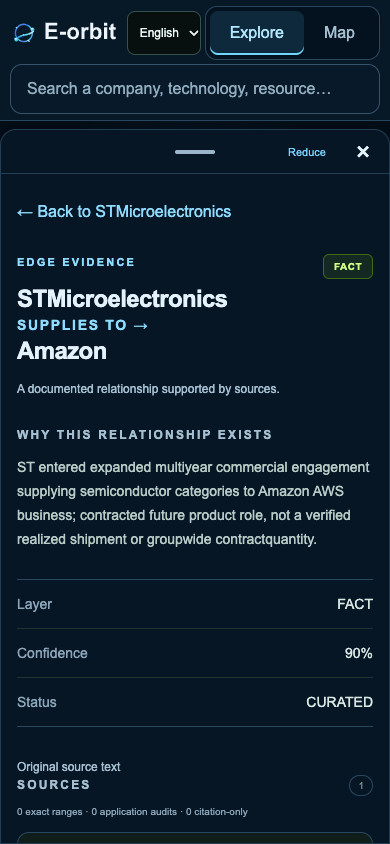
Select a relationship to inspect its Why and Evidence.
Regional revenue in Apple’s stated reporting scope. This is not a measure of market share or customer allocation.
Official financial statementsMetrics show scale and change. Insights explain economic context. Economic Evidence presents verified inputs alongside what the available data cannot establish.
Economic evidence, not a global importance ranking or investment recommendation.
Start with the wider structure, zoom in, then choose a company and follow its actual neighbors.
Start from this view ↗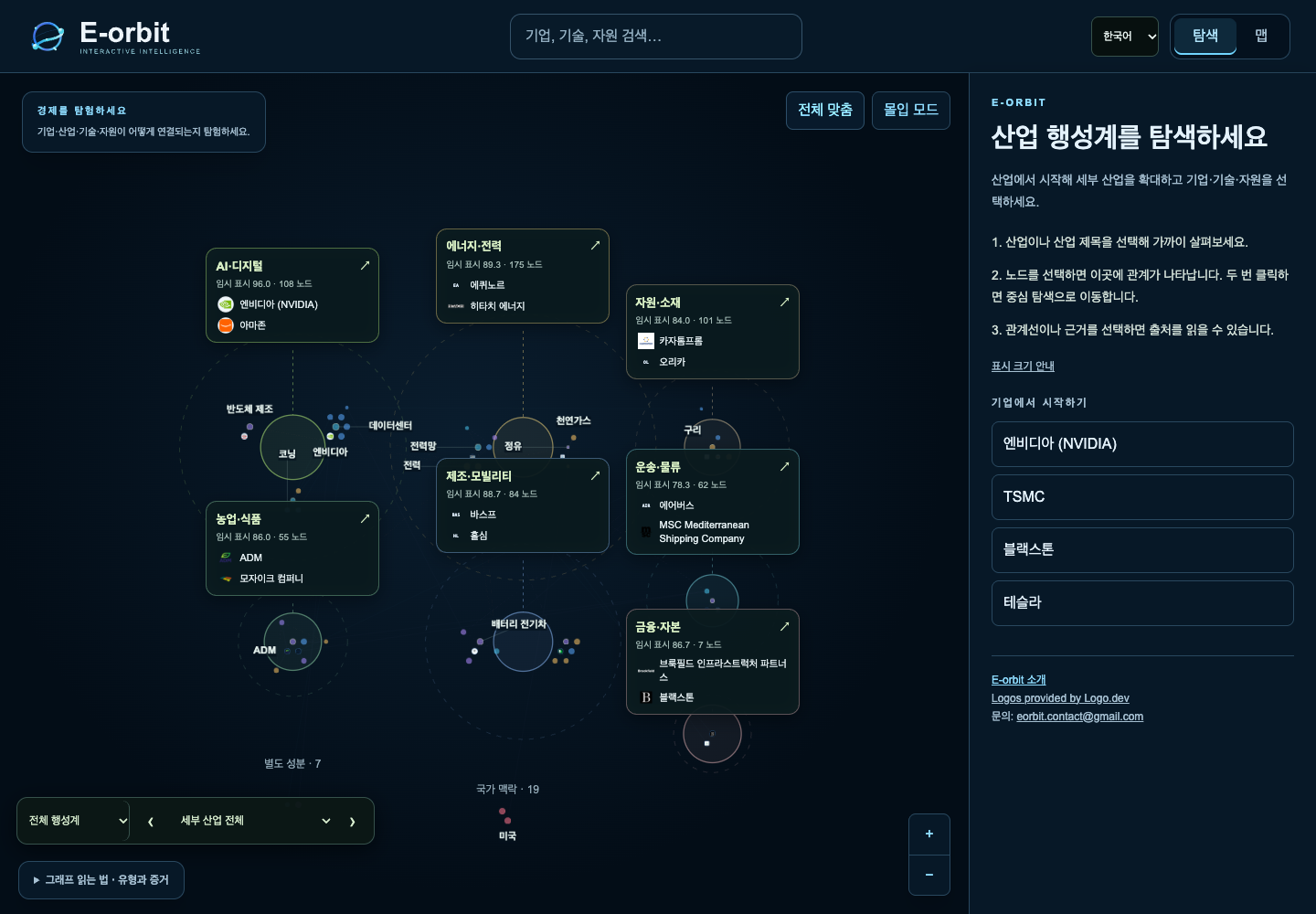
Search for a company, or start with the wider economic structure.